Fiche VBN – Fer

Plusieurs faits à savoir, mais pas tous!, sur les apports en fer sont listés sur cette page :: les apports recommandés, les causes de “pertes”, les effets d’apports insuffisants, les dangers de la SURsupplémentation et/ou d’apports exagérés et quelques trucs pour maximiser l’absorption. 

Les ANREF – Apport Nutritionnel de Référence de Santé Canada suggèrent les apports quotidiens suivants::

  • Hommes, adultes et enfants :: 8mg/ jour EXCEPTION faite des adolescents de 14 à 18 ans pour qui les besoins s’élèvent à 11mg/ jour. 
  • Femmes, les besoins dépendent de l’âge :: de 9 à 13 ans et pour les femmes de plus de 51 ans; les besoins sont de 8mg/ jour. 
  • Adolescentes (14-18):: 15mg/ jour 
  • Femmes adultes qui ont des règles (19-50) :: 18mg/ jour
  • Grossesse :: les besoins s’élèvent à 27mg/ jour. *Allaitement :: 9mg/ jour

La limite maximale se situe à 45mg/ jour pour tous SAUF les enfants, pour qui le plafond est à 40mg/ jour.

Toute dose allant au-delà de ces valeurs de références devrait être évaluées et suivie par un professionnel de santé. 

Voilà!

Ces chiffres représentent les apports qui devraient couvrir les besoins de la majorité des individus sains

Bien que suffisant pour la majorité, ces approximations ne sont pas nécessairement optimales pour tous. L’individualisation de ces suggestions devraient être considérée; la lecture du texte plus bas vous aidera à évaluer vos besoins potentiels. Pas envie de lire?! Un naturopathe vous sauvera le blabla et saura vous guider à travers l’info qui vous est pertinente.  😉

English version here.

Le Fer :: ce que c’est et ce que ça fait

Le fer est un minéral que l’organisme ne peut PAS fabriquer et qui est essentiel à sa croissance, son entretien et ses diverses fonctions. 

  1. C’est un composé fondamental de l’hémoglobine (et de la myoglobine); elle-même une structure vitale des globules rouges qui transportent l’oxygène à travers nos systèmes. Le fer est également utile à la production d’énergie (cytochrome C de la chaine respiratoire).
  2. Il est un cofacteur majeur dans l’assemblage de certains enzymes et dans la stabilisation de certaines protéines (via protéines Fer-Soufre). *Les enzymes (des protéines!) sont ESSENTIELLES au fonctionnement de notre constitution :: sans elles les réactions biochimiques sont trop longues et lentes et la vie n’est plus possible.
  3. En tant que constituant de la superfamille d’enzymes “Cytochrome P450”, le fer contribue à la régulation/ dégradation des xénobiotiques (pollution, plastiques et parfums), des acides gras et d’autres composés variés. Le CYP450 est également impliqué dans la production et la dégradation de différentes hormones. La production de TSH et la conversion de la T4 en T3 en sont 2 exemples (lire :: santé de la thyroïde!).  Les cytochromes de cette famille jouent également un rôle dans la régulation des surrénales (on pense :: stress et vigilance!), le métabolisme de l’insuline (on retient :: énergie stable!), régulation des hormones sexuelles (via conversion des androgènes en œstrogènes, par exemple), reconnaissance de dommages et réparation de l’ADN1234 …
  4. Les taux de fer circulant ont aussi un impact important sur la leptine, hormone de satiété. Les individus souffrant d’anémie ressentent fréquemment une perte d’appétit due à un fer inadéquat lui-même incsuffisant pour faire DIMINUER la leptine circulante. La supplémentation en fer, ou son apport alimentaire suffisant, engendre un effet inhibiteur de la leptine-j’ai-pas-faim. Cet effet « suppresseur de leptine/ suppresseur de satiété » a pour but d’AUGMENTER l’appétit afin que l’individu puisse profiter de l’abondance en fer alimentaire perçue, et refasse le plein 5 

Le fer se présente sous 2 formes :: 

  • Fe2+, Ferreux // fer HÉMinique :: principalement de sources animales
  • Fe3+, Ferrique // fer NON-HÉMinique :: de sources végétales

Les différents mécanismes d’absorption reliés à ces 2 formes distinctes sont présentés ici.

En version courte :: 

  • Le fer d’origine animale est MOINS abondant dans la diète moyenne et aisément absorbé 
  • Le fer d’origine végétale est PLUS abondant dans la diète moyenne mais n’est pas aussi bien absorbé

La consommation et supplémentation en fer devrait être approchée avec prudence puisque ce nutriment est à la fois ESSENTIEL au bien-être et DÉLÉTÈRE lorsque consommé en excès

La sursaturation en fer de l’organisme déclenche la production de radicaux libres qui cause le vieillissement prématuré et accéléré de nos cellules.

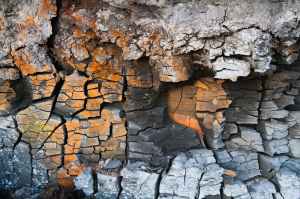
Une image que j’aime garder en tête est celle du « fer qui rouille ». Bien que pas 100% juste ou exacte, je trouve que cette analogie est un bon rappel de ce qui peut se produire à l’interne quand la régulation du fer tourne mal et que le métal s’accumule et devient réactif. 
Sources principales

Sources de fer d’origine animale:: 

  • Bœuf (faux-filet) :: 100 g – 2.9mg *Voir aussi :: foie
  • Huîtres (crues) :: 100 – 5.1mg *Voir aussi :: pieuvre, moules et seiche
  • Thon (conserve) :: 100g – 1.5mg  *Voir aussi :: sardines
  • Poulet (poitrine, sans peau) :: 100g – 1.1mg 
  • Porc (haché, cuit) :: 100g – 1.3mg 

Sources de fer d’origine végétale :: 

  • Abricots séchés :: 100g – 2.7mg *Voir aussi :: pruneaux, figues séchées et raisins secs
  • Lentilles :: 100g – 3.3mg *Voir aussi toutes les légumineuse, tofu et tempeh
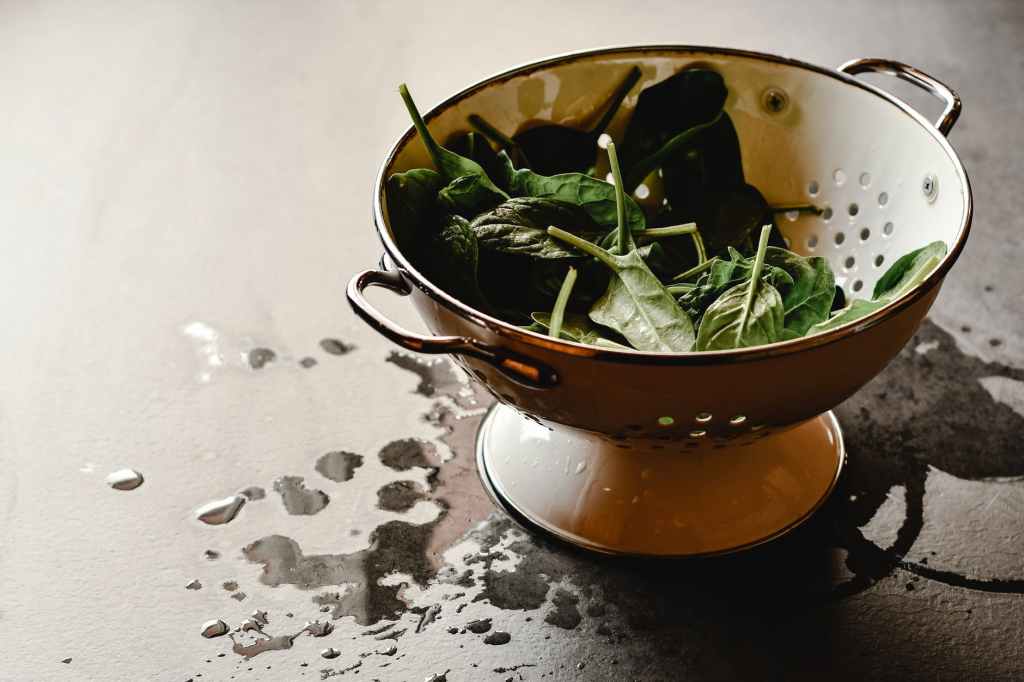
  • Épinards (crus):: 100g – 2.7mg *Voir aussi :: bette à carde et brocoli
  • Épinards (cuits):: 100g – 3.6mg
  • Chocolat à cuisson, non sucré:: 100g – 17.4mg *Voir aussi :: poudre de cacao
  • Flocons d’avoine (secs, grains entiers) :: 100g – 4mg *Voir aussi :: quinoa et orge
  • Pleurotes (crus) :: 100g – 1.3mg
  • Graines de citrouille ::  100g – 8.1mg *Voir aussi graines de sésame

**Quelques produits tels céréales, nouilles, pains et bagels, bien qu’ils ne représentent habituellement PAS une source significative de fer, sont maintenant enrichis/ fortifiés avec du fer.  

Un organisme sain est tout à fait capable de réguler l’absorption du fer en fonction de ses besoins; la “surdose” ALIMENTAIRE est extrêmement rare.  

Des problèmes peuvent par contre se présenter avec la SUPPLÉMENTATION, renforçant l’idée que la correction et l’optimisation de l’alimentation devrait toujours être le premier réflexe pour la majorité d’entre nous.

La consommation excessive de fer est liée à un stress oxydatif accru. 
Évaluation des besoins en fer 

  • Diète végétarienne et consommation quotidienne de légumineuses et légumes feuilles vert foncé 6 :: pas très fan de l’un ou l’autre? Ces 2 riches sources de fer ne se retrouvent pas souvent au menu? Il serait judicieux de faire évaluer vos taux et/ou vos apports. 
  • Les gens consommant une diète de “pseudo aliments” pauvres en nutriments sont à risque de ne pas satisfaire leurs besoins en fer (et autres!).
  • La grossesse fait augmenter les besoins moyens de 9mg :: connaissez-vous la quantité de fer que vous consommer au quotidien? Seriez-vous en mesure de créer un repas ou une collation totalisant 9mg? Si la réponse est non, un suivi en naturopathie pourrait vous être utile. 
  • Menstruations :: il y a une évaluation à faire ici. Légères? Courtes? Longues? Abondantes? Toute combinaison de ces 4 descriptifs aura un impact distinct sur les besoins. 
  • Les besoins des athlètes de haut niveau sont toujours considérés comme un peu plus haut que la moyenne (hémolyse, sudation excessive…). *Les adeptes de santé physique/ gym n’ont pas à s’en faire; la majorité d’entre nous ne voyons pas nos besoins accroitre parce qu’on bouge 1h… ou 2… ou 3 par jour!  😉
  • Les saignements chroniques engendrés par diverses pathologies :: ulcères gastriques, polypes intestinaux, cancer du côlon, maladie Cœliaque… L’endométriose peut aussi provoquer des saignements dont on peut ne PAS être conscient. Tout type de saignement récurrent pourrait suggérer des besoins en fer accru. 
  • Ingestion fréquente d’aspirine :: agent irritant de la muqueuse gastrique notoire, des saignements pourraient être présent à votre insu. 
  • Pontage gastrique :: le processus digestif n’étant plus complet, ni optimal, il est impératif de respecter la fréquence des suivis médicaux établit par votre médecin traitant. Un naturopathe peut quant à lui vous accompagner dans l’optimisation de votre nouvelle condition digestive.  
  • Maladies infectieuses et inflammatoires (inclut l’obésité!) jouent également des rôles déterminant dans l’évaluation des besoins. Ceux-ci pourraient être légèrement plus élevé que la moyenne 7

Optimiser l’absorption 

Le poivre noir est une de ces substances largement reconnue comme potentialisatrice d’absorption“. Certaines études corrèlent la Bioperine*/ pipérine avec une meilleure absoprtion du fer 8 .

*Bioperine est le nom commercial d’un type d’extrait de pipérine de poivre noir.

La consommation d’algues peut aussi être un choix judicieux lorsqu’une absorption de fer accrue est souhaitée. “La biodisponibilité de ce fer (algal) semble être élevée et, accroit par 5X l’absorption apparente du fer d’un repas de riz seul. Ce phénomène est probablement attribuable à sa forte concentration en vitamine C et son contenu en phytates faible voir, non existant. 9

Bien qu’il y ait PLUSIEURS sources entières de végétaux marins à notre disposition, la consommation d’algues en Amérique du Nord reste faible. L’ajout de dulse ciselée (BACON de mer!) sur une salade, une petite poignée de wakame réhydratée dans un plat de nouilles à saveur asiatique, une classique feuille de nori enroulée autour de morceaux d’avocats, de gingembre mariné et de riz brun; il y a mille et une façons d’intégrer quotidiennement ces petites bombes minérales à notre alimentation.  

Si la supplémentation s’avérait nécessaire, après évaluation professionnelle, la prise de suppléments pourrait être faite tous les 2 jours afin de maximiser l’absorption

Voici pourquoi ::

Quand le fer est 1-présent, et 2-absorbé, il engendre une sécrétion de l’hormone régulatrice du fer, l’hepcidine. En somme, quand le fer est abondant, l’hepcidine s’ÉLÈVE de manière à raaaalentiir son absorption. Elle prévient les surcharges qui pourraient être causées par une absorption non régulée (Ex. :: hémochromatose).

Une étude de 2020 (sur 19 femmes) suggère que la prise de suppléments de fer en jour alternés (1 jour sur 2) offre une pause nécessaire à la diminution de l’hepcidine. Ce qui veut dire ::  moins d’hepcidine = + d’absorption de fer! Cette petite altération toute simple à la posologie aurait le pouvoir de bien rentabiliser vos dollars et de maximiser vos efforts de reconstitutions de stocks de fer. 101112 .

La vitamine C est un cofacteur classique bonifiant l’absorption du fer végétal 13 

Joueurs importants // Alliés du fer 

B6 – Pyridoxine :: Cette vitamine hydrosoluble est essentielle à la formation de globule rouge (érythropoïèse) Elle joue un rôle fondamental dans l’incorporation du fer à l’hème de notre HÉMoglobine (protoporphyrine). Des apports sous optimaux de cette vitamine sont liés à une incidence d’anémie accrue et plusieurs autres problèmes de santé 1516 .

B9 – Folate :: celle-ci travaille également (conjointement avec le fer, la B6 et la B12) à la bonne formation de globules rouges. L’absence de l’une ou l’autre de ces molécules, dans l’élaboration d’une cellule sanguine de qualité, en revient à tenter de voyager sans passeport, ni billet. L’abondante consommation d’alcool, la maladie cœliaque et le syndrome du côlon irritable augmentent TOUS les besoins en B9 171819.

B12 – Cobalamine :: Cette vitamine joue un rôle important dans la prolifération cellulaire. Les globules rouges ayant une durée de vie utile d’environ 120jours; leur renouvellement est constant. Avec la B6 et la B9, la B12 assure la croissance adéquate des érythrocytes. Une cellule sanguine déficiente en B12 est non conforme et donc inefficace; elle est dégradée avant de pouvoir faire son travail. La cobalamine impact donc le fer de manière indirecte en assurant l’intégrité des globules rouges qui elles, garderont l’hémoglobine (et le fer!) dans le compartiment cellulaire ainsi prévenant un « besoin perçu » de fer que le corps chercherait à pallier A.

Cuivre :: ce minéral est nécessaire au transport et au « dispatch » du fer. Comme le fer, une approche « à la Boucle d’Or » est à mettre en place quand on veut optimiser ses niveaux; trop peu ou trop TROP auront tous 2 des effets délétères sur le bien-être 2021. La supplémentation sans l’avis d’un professionnel est déconseillée. 

Les principales sources alimentaires de cuivre sont les suivantes :: foie, chocolat noir, huitres, légumes feuilles vert foncé, spiruline, noix & graines et champignons shiitake. Si le rôle exact du cuivre dans le métabolisme du fer vous intéresse, lisez cet article sur le métabolisme du fer

Précautions

Les inconforts liés à la supplémentation en fer les plus commun touchent la sphère gastro-intestinale. 

Encore une fois, ces inconforts désagréables sont une autre bonne raison de privilégier les sources alimentaires plutôt que les capsules dans les cas où c’est possible.

Douleurs gastriques, nausée, vomissements, alternance constipation & diarrhée sont les principaux coupables. Les suppléments de fer sont mieux absorbé sur un estomac vide; mais encore faut-il qu’il soient tolérés!? La plupart des gens préfèreront le prendre avec une petite quantité de nourriture pour adoucir les inconforts qui y sont liés.

La supplémentation sur journées alternées, telle que suggérée plus tôt pour bonifier l’absorption, tend aussi à réduire les risques de manifestations désagréables ET augmenter l’adhésion au protocole de supplémentation. 

Apports exagérés

Fer et Cancer du sein :: une diète PAUVRE en antioxydants et abondante en gras et en fer pourrait faire augmenter l’incidence de cancer du sein (via peroxydation lipidique) 22

Fer et Infarctus du myocarde :: la surconsommation de fer HÉMINIQUE, de sources animales, couplée à une diète pauvre en minéraux responsable de DIMINUER l’absorption du fer peut mener à des troubles cardiovasculaires 23 .

Fer et Diabète de Type 2 :: encore,  la surconsommation de fer HÉMINIQUE, de sources animales, peut mener à une risque accru de développer le diabète de type 2 24  .

Fer et Cancer colorectal :: encore une fois, tous ensemble :: la SURconsommation de fer (tous types) ou un protocole de supplémentation mal évalué pourrait mener à un risque accru de développer le cancer colorectal 25 .

Apports sous-optimaux et risques associés 

Un des désordres les plus communs lié au fer est l’anémie. Celle-ci prend plusieurs formes. J’écrirai un article sur le sujet bientôt. 

Apprenez à reconnaitre les signes classiques pouvant être associés à des taux de fer inadéquats et consultez votre médecin de famille si vous avez des inquiétudes. 

  • Fatigue intense – Même après le repos 
  • Souffle court 
  • Douleur à la langue 
  • Rythme cardiaque irrégulier 
  • Faiblesse 
  • Douleur à la poitrine 
  • Étourdissements // Vertiges 
  • Extrémités froides 
  • Ongles fragiles 
  • Pâleur de la peau 
  • Maux de tête

Facteurs moins connus qui pourraient influencer les besoins 

La prise d’Inhibiteurs de Pompe à Proton, tel que l’omeprazole, pour traiter la détresse gastro-œsophagienne et/ou prévenir les ulcères gastriques causés par une prise régulière d’aspirine ou autres anti-inflammatoires non-stéroïdiens élève le risque de carence en fer 26 

La consommation régulière, et à dose importante, de suppléments de quercétine est suspectée de faire augmenter la sécrétion d’hepcidine qui elle, DIMINUE l’absorption du fer. La supplémentation de quercétine  semble aussi réduire le nombre disponibles de transporteurs intestinaux en charge de l’absorption du fer végétal et donc, influence l’absorption à la baisse (DMT1). La quercétine est souvent suggérée, entre autres, pour soutenir les états allergiques. 

*L’envers de la médaille :: si un individu se trouve en situation de “surabondance” de fer dans l’organisme, la quercétine peut s’avérer être une avenue efficace de minimisation de l’absorption de minéral. Une discussion avec votre professionnel de la santé est un point de départ impératif en ce cas 27 .

Avez-vous des “rages/ envies” de substances non-alimentaires/ non-nutritives comme la terre, la glace, le caoutchouc ou l’argile? Cette condition se nomme « Pica » et peut être un indicateur de taux de fer insuffisant 29 .

Une perte de cheveux soudaine et/ou soutenue et inexpliquée? Bien que le mécanisme impliquant le fer dans la croissance et la rétention capillaire ne soit pas tout à fait clair; il y a une corrélation largement accepté comme signe additionnel pouvant indiquer un apport en fer insuffisant 3031 .   

Le syndrome des jambes sans repos (Restless legs syndrome) fait un peu le même cas de figure que la perte de cheveux; bien que mal expliqué, la corrélation de ce phénomène à des taux de fer inadéquats est significative  3233

Troubles de comportements et/ou difficultés d’apprentissage, SURTOUT durant l’enfance et l’adolescence. Certains décrivent des manifestations s’apparentant au « TDAH ». Ce « symptôme » est plutôt vague et DOIT définitivement être évalué par un professionnel de santé; l’auto-perception de déficit est un indicateur important indiquant qu’une discussion DOIT être entamée avec votre/ vos professionnels de santé. Un million de facteurs peuvent influencer le comportement et la cognition humaine; un apport en fer sous-optimal n’en est qu’un parmi tant d’autres 34.

Toujours se rappeler :: Aucun “signe ou symptôme” isolé ne représente une carence en fer inadéquat à lui seul. TOUS les facteurs doivent être cumulés et analysés avec une approche, un mentalité, multifactorielle. 

Tests Sanguins

*Les tests sanguins sont prescrits et interprétés par un docteur en médecine. Les valeurs caractérisant l’abondance du fer dans l’organisme peuvent être ajoutées à tout bilan sanguin; vous n’avez qu’à demander. 

Valeurs de Référence

Elles diffèrent selon les sexes et sont plutôt nombreuses quand vient le temps d’évaluer l’effet d’ensemble des taux de fer sur la biochimie. Ici se trouve un lien menant à des valeurs approuvées par le corps médical Canadien pour ceux qui sont curieux. 

Les valeurs sanguines sont impératives dans l’évaluation des besoins d’un individu. D’autres aspects de la santé globale doivent également être pris en compte durant l’analyse des résultats afin de soutenir la vitalité de façon judicieuse et vraiment personnalisée. 

Quelques combos inhibant possiblement l’absorption

Aliments et combinaisons à éviter, 2hrs avant et 2hrs après une dose thérapeutique ou un repas intentionnellement riche en fer visant à faire augmenter les taux 3536 :: 

  • Les polyphénols/ aliments riches en tanins ::  thé, café, vin et chocolat noir, entre autres, ont un effet astringent/ “resserrant” sur les muqueuses digestives et rendent l’absorption de certains nutriments, pas seulement le fer, un peu moins efficace. L’effet des aliments riches en tanins/ polyphénols est proportionnel à la dose; plus la quantité consommée est grande, plus l’effet inhibiteur d’absorption est important. Une consommation minimale peut être contrée par l’ajout régulier de sources de vitamine C à la diète 37 .
  • Les aliments riches en acide phytique comme les grains, les légumineuses, noix & graines CRUES. Comme pour les polyphénols, l’effet des phytates est “dépendant de la dose” ingérée. La cuisson, la fermentation, le germination et le trempage contribuent TOUS à diminuer le contenu en acide phytique des aliments qui en contiennent. Puisque la plupart des aliments listés dans cette catégorie se consomment très peu crus, ils ne sont au final que sources négligeables d’anti-nutriments. *Pour les noix et les graines, un trempage de 8hrs (Ex. :: durant la nuit, puis rincées et réfrigérées) ou l’achat de produits « Crus & Activés » où le trempage et le séchage a été fait pour vous sont d’excellentes alternatives à considérer quand la remontée des taux de fer est visée et/ou que les sources d’acide phytique doivent être diminuées. 

(*Malentendu commun :: l’acide oxalique/ les oxalates ne sont PAS des phytates/ acides phytique. Ils sont une « bête » complètement différente et n’ont pas d’effet inhibiteur sur l’absorption du fer.)

  • Aliments riches en calcium :: fortement identifiés comme inhibiteur d’absorption du fer dans le passé, la corrélation n’est maintenant plus si tranchante.

Si vous êtes sous supplémentation thérapeutique, il serait probablement judicieux d’éviter de supplémenter ces 2 minéraux simultanément. Mais sous forme d’aliments entiers faisant partie d’une diète bien planifiée ne visant pas à pallier des apports déficients, je vous invite à ne pas vous casser la tête avec cette interaction. Elle est en général de courte durée EEETTT est compensée par une augmentation des transporteurs (absorbeurs!) de fer quelques heures après l’ingestion de sources de calcium concentrées. 

  • Les protéines d’œufs :: elles auraient un effet inhibiteur sur l’absorption du fer ET le fer que les œufs contiennent, une fois cuit, est de faible biodisponibilité. *Œufs à la coque/ cuit durs :: quand le jaune tourne un peu grisâtre/ verdâtre? On parle de sulfure de fer/ sulfure ferreux –> absorbabilité très limitée.
  • Antiacides 38 
  • Antibiotiques et certains autres médicaments :: Les suppléments de fer peuvent diminuer l’absorption de certains médicaments et les rendre MOINS efficaces. Aussi, certains médicaments peuvent augmenter l’absorption et le stockage du fer à des niveaux inquiétants. La règle du 2hrs avant/ 2 hrs après est très pertinente ici, à moins d’avoir le feu vert du médecin traitant. Quelques interactions sont listées dans cet article
  • Le curcuma –> controversé :: certaines études suggèrent que le curcuma aurait un effet stimulant sur l’absorption du fer via un mécanisme anti-inflammatoire répresseur de l’hepcidine39. MAIS, certaines études effectuées avec des doses de curcuma élevées lui attribuent des propriétés chélatrices inhibitrices de l’absorption du fer 40. Une évaluation individuelle des apports et des besoins en ces 2 substances est logiquement requise dans ce cas-ci. 

AUSSI :: si vous suivez un protocole impliquant des compléments de fer; éviter de consommer des aliments fortifiés en fer de manière à limiter la SURconsommation de ce minéral. *A moins que le professionnel traitant n’ait intégrer l’apport de certains de ces aliments dans son approche thérapeutique.

Voici qui conclut la fiche du Fer! 

Quelques études sont intégrées à même cet article, n’hésitez pas à lire plus en profondeur sur le sujet; ce billet n’est qu’une synthèse rapide et simplifiée du sujet.

Si besoin il y a, envoyez ou présentez certaines études à votre praticien de santé afin d’évaluer ensemble si votre condition permet des taux de fer compatibles avec le niveau de bien-être que vous recherchez. 

Restez humble et curieux, 

Soyez bien,

Vicky x

Vicky Bachand ND.A est naturopathe :: un naturopathe ne remplace PAS un médecin.

Les renseignements contenus dans cet article sont présentés strictement à titre informatif et ne visent pas à fournir des renseignements complets sur les sujets traités ni à remplacer les conseils d’un professionnel de la santé qualifié.

Ces renseignements ne constituent ni une consultation, ni un diagnostic ou une opinion médicale, et par conséquent, ne doivent pas être interprétés comme tels.

Consulter toujours votre professionnel de la santé si vous avez des questions au sujet de votre état de santé.
VBN Sheet – Iron

Many, but not all, things one must know about iron are on this page :: how much you need, iron depletion causes, effects of inadequate dietary intake, dangers of over supplementating and little tricks to optimize absorption. 

Health Canada’s DRIs – Dietary Reference Intakes suggest daily intakes of ::

  • Male, adults and children :: 8mg/ day EXCEPT for teenagers aged 14-18 where needs creep up to 11mg/day
  • Female, age dependant :: 9-13 years of age need 8mg/day just like all women older than 51.
  • Teenage girls (14-18) :: 15mg/day
  • Menstruating adult women (19-50) require 18mg/day.
  • Pregnancy :: needs shoot up to 27mg/day. *Lactating :: 9mg/day

Upper limit sits at 45mg/day for all (children 40mg).

Any dose higher than these reference values should be evaluated by a health care professional. 

There! These are the numbers that should cover the needs of the majority of healthy individuals.

These suggested values represent a sufficient amount for most but not necessarily an optimal one for all. Individualising these suggestions should be considered, but in order to do that, I’m afraid you’ll have to keep reading and/or meet up with a health professional who can assess your needs and save you the reading. 😉

La version FRANÇAISE ici.

Iron :: the what and the how?

Iron is a mineral the body cannot produce and needs for growth, repair and function. 

  1. It is a crucial component of hemoglobin (and myoglobin), a component of red blood cells which carries oxygen through the body.  It’s also used in “energy making” processes. 
  2. It is essential to the assembly of numerous enzymes and the stabilization of certain proteins. (via Iron-sulfur clusters). *Enzymes are VITAL for our biochemistry to actually… work.   
  3. As a constituent of cytochrome P-450 superfamily of enzymes, it works hard to maintain “body balance” by breaking down xenobiotics (think pollution, plastics and perfumes), fatty acids and various compounds. CYP450 is very much involved in several hormones’ production and clearance. Production of TSH and thyroid hormone T4’s conversion into T3 are 2 examples. It plays a role in adrenal function regulation (think stress and alertness), insulin metabolism (think steady energy), sex hormone regulation (conversion of androgens to oestrogens), DNA damage recognition and repair 1, 2, 3, 4 …
  4. Iron levels may also play a role in regulating “leptin” hormone. Anemic individuals frequently suffer from low iron induced appetite loss. In these people, iron supplementation, or sufficient dietary intake of the nutrient, has an inhibiting effect on the satiety hormone leptin. This leptin inhibiting phenomenon increases appetite so the individual has a desire to tap into (and benefit from!) the perceived abundant available iron source” 5 . 

Iron comes in 2 forms :: 

  • Fe2+, Ferrous // HEME iron :: mostly animal based
  • Fe3+, Ferric // NON-HEME iron :: plant based

Absorption mechanisms of these 2 forms of iron are discussed here ::

In a nutshell :: animal/ muscle based iron is less abundant yet more easily absorbed than its plant based counterpart which is omnipresent but not as fully absorbed.

Iron intake and supplementation should be tackled with a prudent approach as iron is both essential to the body’s wellbeing and deleterious when consumed in excess

Oversaturation of iron triggers the production of free radicals that cause premature and accelerated cell aging. A great image to keep in mind is “iron that rusts”. While not 100% accurate, I find this analogy to be a great reminder of what can happen to our cells when iron regulation goes awry and the mineral starts to “build up & act up”.

Main sources

Sources of Animal based iron :: 

  • Beef (sirloin) :: 100 g – 2.9mg *See also liver
  • Oysters (raw) :: 100 – 5.1mg *See also cuttlefish, octopus and mussels
  • Tuna (canned) :: 100g – 1.5mg  *See also sardines
  • Chicken (breast, skinless) :: 100g – 1.1mg 
  • Pork (ground, cooked) :: 100g – 1.3mg 

Sources of plant based iron :: 

  • Dried apricots :: 100g – 2.7mg *See also prunes, figs and raisins
  • Lentils :: 100g – 3.3mg *See ALL beans and tofu/ tempeh 
  • Spinach (raw) :: 100g – 2.7mg *See also swiss chard and broccoli
  • Spinach (cooked) :: 100g – 3.6mg
  • Unsweetened baking chocolate :: 100g – 17.4mg *See also cacao powder
  • Oat flakes (dry, whole grain) :: 100g – 4mg *See also quinoa and barley
  • Oyster mushrooms (raw) :: 100g – 1.3mg
  • Pumpkin seeds ::  100g – 8.1mg *See also sesame seeds

**Some products like cereals, noodles, breads and bagels, while not usually significant sources of iron, are now enriched with supplemental iron.

A healthy body is absolutely capable of regulating the uptake of iron as it needs it; dietary overdose is extremely rare in most. 

Overdosing is possible with supplementation which is why nutrition correction and optimization should always be your “go-to”.

Excess iron intake has been linked to increased oxidative stress.

Evaluating iron needs

  • Vegetarian consumption of “beans & greens” in the daily diet 6 :: not a fan of either? These 2 rich whole food sources of iron don’t find their way into your plate daily? It would be wise to have your levels checked.
  • Individuals who eat a nutrient poor diet consisting of “pseudo/ non-food foods” might not be meeting their needs.
  • Pregnancy ups a woman’s iron needs by 9mg :: Are you aware of your daily intakes? Could you come up with a dietary combo representing those 9 extra mg? If not, naturopathic guidance could definitely be useful.
  • Menstruation :: there is an assessment to be made here. Light? Short? Long? Heavy? Any combination of these 4 factors will impact your needs in different proportions. 
  • High level athletes’ iron losses are always considered a little higher (hemolysis, excessive sweating) *Fitness enthusiasts do NOT worry, the greatest majority of us are NOT considered high level athletes. Chill. 😉
  • Chronic bleeding induced by various pathologies :: stomach ulcers, intestinal polyps, colon cancer, celiac disease… Endometriosis could also cause bleeding one might not be aware of. Any type of recurrent bleeding makes the needs go up.
  • Frequent aspirin ingestion; notoriously hard on the stomach mucosa, it could trigger bleeding you might not be aware of. 
  • Gastric bypass surgery :: the digestive process is no longer complete nor optimal. Having your levels and needs assessed frequently by a medical doctor is mandatory. A naturopath can most definitely help you optimise your new physiology.
  • Infectious and inflammatory conditions (including obesity) also play important roles in determining needs, which might be a tad higher than most 7

Optimising absorption 

Black pepper is one of those substances that are wiiidely known as “potentiators of absorption“. Some studies correlate Bioperine*/ piperine with better iron absorption 8

*Bioperine is a trade name of a specific brand of black pepper extract.

Algae consumption might also be a wise move if better iron absorption is on your mind :: “the bioavailability of this iron (algal) seemed to be high, and increased apparent iron absorption up to 5-fold of the absorption value of the rice meal alone. This was probably due to the high vitamin C concentration and also to the low or nonexistent phytate content. 9

Although there are PLENTY of whole food sources available to us now, we sadly don’t often consume algae in North America. Chopped sea bacon (dulse) is a great umami/ savoury salad topper, a little handful of rehydrated wakame in a noodle dish, classic nori sheet wrapped around room temp brown rice and avocado; there are countless ways sea veggies can “sneak” their way into our daily diet.

Should supplementation be suggested after a professional assessment, ingestion of the chosen supplement should be done every other day to maximise absorption.

Here’s why ::

As iron rolls in, its absorption triggers the release of the hormone that’s responsible for regulating its intake (hepcidin). In short :: when iron is abundant, hepcidin RISES and sloooows its absorption (It prevents overload).

A study from 2020 (19 women) suggests that skipping a day in between supplement doses gives time for hepcidin to “back down” and stop hindering the absorption process. Read :: it benefits iron’s uptake! This simple trick can make your hard earned dollars go further and your intended “iron level UP efforts” more efficient 10, 11, 12

Vitamin C is also a classic cofactor of iron metabolism, it aids in plant based iron absorption 13

Important players in the Iron game

B6 – Pyridoxine :: This water soluble vitamin is needed for red blood cell formation (erythropoiesis). It plays a pivotal role in the incorporation of iron in the heme of HEMoglobin (protoporphyrine). Sub-optimal intake of this vitamin is linked to a higher incidence of anemia and many other health problems 15, 16.

B9 – Folate :: also works with iron (and B6 and 12!) in the red blood cell formation process. One without the other(s) is the equivalent of trying to travel without a passport and a suitcase. High alcohol consumption, celiac disease and IBS could all increase your personal requirements of this particular nutrient 17, 18, 19.

B12 – Cobalamine :: This vitamin plays an important role in cell proliferation. As red blood cells have a lifespan of approximately 120 days, their replacement is constant. They do not only require B6 and B9 to form properly but also B12 to ensure proper growth. A B12 deficient red blood cell is an inefficient one that simply cannot make it and dies. While cobalamine might not impact iron absorption directly, it does so indirectly by keeping iron rich hemoglobin INSIDE healthy blood cells thus preventing an endless need for iron recycling and replenishing the body tirelessly tries to accommodate A.

Copper :: This mineral is needed for iron “transport & dispatch”. Just like iron, a “Goldilocks” approach is best when optimising copper levels :: not too little, not too much as both ends of the spectrum can have deleterious effects on wellbeing 20, 21. Supplementation without the advice of a health care professional is not suggested. Dietary sources of copper are :: liver, dark chocolate, oysters, leafy greens, spirulina, nuts & seeds and shiitake mushrooms. If you wish to understand how copper participates in iron metabolism, read the article on the topic showcased further up.

Precautions

The most common concerns with steady iron supplementation is gastrointestinal disturbances.

Again :: one MORE good reason to prioritize dietary sources over supplementation, if you can. Gastric discomfort, nausea, vomiting, constipation and diarrhea are the usual culprits.

Alternate day supplementation, as suggested above for better absorption, might reduce the risk of uncomfortable manifestations and actually enhance your adherence to a supplementation protocol.

Exaggerated intakes

Breast cancer and iron :: a diet that is LOW in antioxidant and overabundant in both fats and iron may play a role in increased breast cancer incidence (via lipid peroxidation22

Myocardial infarction and iron :: Overconsumption of HEME iron, the animal based kind, coupled with a diet that is low in minerals responsible for slowing iron absorption can lead to cardiovascular issues 23

Type 2 diabetes and iron :: again, overconsumption of HEME iron, the animal based kind, can lead to an increased risk of developing type 2 diabetes 24 .

Colorectal cancer and iron :: one more time, altogether :: OVER consumption and/or a poorly elaborated iron supplementation protocol can lead to an increased risk of developing colorectal cancer 25.

Sub-optimal intakes and associated risks 

You’ll have to read the piece on anemia that is coming shortly, it’ll explain all the discomforts low iron can trigger.

In the meantime, get acquainted with these classic symptoms of low iron and see where you land.

  • Intense fatigue // Tired even after resting
  • Shortness of breath
  • Sore tongue
  • Irregular heartbeats
  • Weakness
  • Chest pain
  • Dizziness // Light headedness
  • Cold extremities (hands and feet)
  • Brittle nails
  • Pale skin
  • Headaches

Factors that should have you pay attention to your iron levels

If you are taking Proton Pump Inhibitors, such as omeprazole, for gastroesophageal distress and/or to prevent stomach ulcers caused by regular intake of aspirin or other NSAIDs/non-steroidal anti-inflammatory drugs; you might be at higher risk of inadequate iron intake 26.  

Important and steady ingestion of quercetin supplements are suspected to up levels of hepcidin (which DECREASES iron uptake) while also diminishing the number of available plant iron transporters in the intestine resulting in less iron uptake (DMT1). Quercetin supplementation is, among other things, often suggested for allergy support. 

*On the other side of the spectrum, should you be in a situation of iron overload, quercetin might be something you want to discuss with your health care professional, as a method of minimizing further iron absorption 27

Do you crave non-food/ non-nutritive things like, dirt, ice, rubber or clay? We call this condition Pica, and it could be an indicator of inadequate iron stores 29

Do you suffer from sudden/ unexplained hair loss? While it is still not clear exactly through what mechanism low iron impacts hair growth and retention; it is widely accepted as one-more-sign that can be correlated to other low iron contributing factors 30, 31 .   

Restless leg syndrome a bit like hair loss, while poorly explained, presents a very strong correlation to inadequate iron levels 32, 33 

Behavioral and/or learning deficits, especially in childhood and adolescence. Some would describe it as “resembling ADHD”. This one is quite vague and MUST definitely be assessed by a professional; one’s perceived deficits being a solid indicator that a discussion should be had. A million things can influence behavior and cognition, iron just so happens to be one of them 34.

Always remember :: No isolated “sign or symptom” represents inadequate levels in itself; all factors should be put together and assessed with a multifactorial mindset  .

Blood tests

*Blood tests are prescribed and interpreted by medical doctors. Iron values can be included in blood tests, all you have to do is ask.

Reference values :: they differ for men and women and are quite numerous when evaluating the full picture; here is a link to medically approved values for those of you that are curious.

As with most things related to health, one blood value is not enough to evaluate needs and/ or actual state of vitality; other aspects must be investigated to round out the results.

A few precisions on inhibiting combos

Avoid these foods 2hrs before and after a therapeutic dose/ intentionally iron rich meal 35, 36 :: 

  • Polyphenol/ tannin rich foods such as tea, coffee, wine and dark chocolate which have a “tightening effect” on the mucosa and can make absorption of some nutrients, not just iron, a little more difficult. *Tannin rich foods’ effects are dose dependent; the more you consume, the more they inhibit iron absorption. Minimal intakes can be mitigated by the regular addition of vitamin C to the diet 37.
  • Phytate containing foods such as raw grains, beans and nuts & seeds. It’s important to keep in mind that phytates are a “dose dependent inhibitor” too and that cooking, fermenting, sprouting and soaking all contribute to lowering the phytate content of these foods making them a negligeable sources of phytate in their actual prepared edible forms. (*Common misunderstanding :: Oxalic acids / Oxalates are NOT related to phytates. They are a different beast :: they do NOT hinder iron absorption)
  • Calcium rich foods have been thought to hinder iron absorption in the past but now, the correlation isn’t so strong. If you ARE supplementing, it could be beneficial to avoid taking both minerals at the same time, but as whole food items; I wouldn’t sweat it as the inhibitory effect is usually short lived and actually compensated by an increase in iron transporters/ “absorbers” a few hours later. 
  • Egg proteins have an inhibitory effect on iron absorption AND the iron they contain is of poor bioavailability once cooked (Hard boiled eggs :: when that yolk turns a little green/gray?! Iron sulfide :: no longer absorbable.). 
  • Antacids 38 
  • Antibiotics and other medications :: Iron supplements can go both ways :: they may decrease the absorption of certain medication, making them LESS effective. And certain drugs can also boost iron absorption and storage to concerning levels. The “2hrs before, 2hrs after rule” is quite important here (unless specified otherwise by your medical doctor). A few interactions are listed in this article.
  • Controversial Turmeric :: while some studies show it may stimulate iron uptake through a decrease in hepcidin expression OTHERS give it “chelating” properties which have the power to bind to iron and actually prevent its absorption. Individual assessment is of course needed and wise in this particular case.

ALSO :: If you are on a supplement regimen, avoid consuming fortified foods to limit possible “over ingesting” the mineral.

There you have it, a little cheat sheet on iron! 

A few studies have been linked throughout this article; get acquainted with the data if you wish to know more about this topic. This post is merely a quick and simplified intro into the subject. 

Research papers are always a great way to approach a discussion with your health care provider, feel free to share them with yours if you think it would be useful in the evaluation of your specific needs and the enhancement of your vitality. 

Stay curious and humble, 

Be well,

Vicky x 

Vicky Bachand ND.A is a naturopath :: a naturopath does NOT replace a medical doctor.

Ideas provided in this article are presented as information only and do not aim to provide in depth details about the chosen topic nor replace the advice of a qualified health care provider.

Information shared here does not constitute a consultation, a diagnosis nor a medical opinion and therefore should not be interpreted as such.

Always consult with your chosen health care provider if you have questions about your personal health.

Iron metabolism, explained

Should you read or remember only ONE thing from this piece, it should be the following ::

Iron is both ESSENTIAL and TOXIC to the human body.

In a society where most people seem to think “if a little is good, than moore must be better” I truly wish to place emphasis on the fact that this motto cannot be applied to most of our metabolic needs and processes.

Version FRANÇAISE ici.

The human body was created to constantly and tirelessly dissipate the excesses and insufficiencies that our chosen lifestyles generate. Why in the name of Life anyone would aim to overburden such a beautiful machine is beyond me?!

Isolated iron supplementation should be done using a “Goldielocks” approach; it is not recommended to all and the guidance of a health care professional is very much advised.

Notoriously hard to absorb, iron is also pretty hard to get rid of. A poorly informed, “self-supplementation regimen” could place a well-meaning individual in a deleterious state of overconsumption and absorption.

Iron has many uses within the body ::

  • Oxygen transport
  • Electron transfers
  • Cellular respiration –> energy production!
  • Synthesis and repair of DNA and various proteins
  • RNA synthesis
  • It is a cofactor of numerous enzymes :: enzymes which are essential to ALL human biochemical reactions
  • Necessary to the production of hemoproteins :: hemoglobin, myoglobin, cytochromes…
When in excess and/or in a case of compromised regulation, it can disrupt wellbeing ::
  • It promotes the formation of ROS, Reactive Oxygen Species. These molecules can cause damage to DNA and/or inactivate certain enzymes. In simple terms, think :: toxic free radicals. Poorly regulated and/or excessive circulating iron levels can cause premature, accelerated cell aging. (Fenton’s reagant)

This important mise-en-garde out of the way, we can now discuss how the human body regulates its iron supplies.

Intakes

Iron is a mineral that is deemed “essential” :: the body cannot produce it therefore, dietary sources must be consumed.

There are 2 forms of iron available in food ::

**An important distinction vegetarians and vegans will want to pay attention to :: absorption pathways of these 2 minerals are different, and the quantities absorbed are not the same either.

  • Ferrous Iron/ Fe2+/ heme iron :: Makes up 10% of dietary iron and represents 1/3 of all absorbed iron. This form comes from animal sources which package the mineral in hemoglobin and myoglobin that is similar to ours. “Heme iron” confirms that the iron is located within a heme protein. We could compare this type of iron to a guy (iron) arriving at the public pool (human bloodstream) wearing a jacket (heme) on top of his bathing suit. Stick with me, I hope this makes things clearer for us later!  😉
  • Ferric iron/ Fe3+/ Non heme iron :: Makes up about 90% of dietary iron and represents 2/3 of all absorbed iron. This inorganic form mainly comes from plant sources. It is not packaged in heme it is more like a swimmer arriving at the public pool buck naked! No coat, no bathing suit! I’m sure you see why SOME alterations will have to happen to this guy before he can gain access to our blood pool.
Absorption of NON heme Fe3+ iron :: the one that requires vitamin C

In the intestinal tract, ferric iron from plant sources cannot “simply” be absorbed; an enzyme must first alter its charge, that little number floating at the top right of the Fe (enzyme DCYTB, mainly). This enzyme requires vitamin C to operate. If you’ve ever heard that it’s beneficial to combine plant iron sources with vitamin C rich foods :: this is why!

NO vitamin C means NO charge alteration which in turn means NO absorption

If we go back to our dodgy analogy, this “charge alteration” is a bit like asking naked guy to put on a suit before entering the premises. Entrance is therefore conditional to 2 criteria :: 1 – having the ability to get dressed, the enzyme and 2- having a bathing suit on hand, vitamin C.

*It is worth mentioning that adequate stomach acid (low pH) also plays a role in the alteration charge of iron. People on proton pump inhibiting medication, which reduce gastric acid (up the pH), should keep this is mind when evaluating their needs1. H. pylori bacteria is also known to throw off our ability to absorb iron through its pH rising effect on stomach secretions2.

Fe3+ iron now converted into Fe2+ -our naked bather in appropriate public pool attire- can travel form the intestines into intestinal cells via transporters/ doors (DMT1). 

Iron being highly reactive and actually damaging to the human body in its free form; it can only be allowed to travel from the intestinal cell into circulation once coupled with a “stabilising/ disarming/ mitigating” molecule ::

  • For its circulation out of the intestinal cell into the bloodstream :: transferrin is in charge, it is a transport or transfer protein.
  • For its storage inside our cells :: it gets bound to ferritin, an iron reserve protein

Once again, iron’s charge will have to be altered. Iron cannot bind to neither transferrin or ferritin in its newly acquired Fe2+ form. Our naked swimmer might be wearing a suit now, but he will not gain access to the water unless he’s wearing the mandatory bathing cap.

Iron assimilation :: a copper dependant step

  • Hephaestin :: who’s main job is to facilitate the iron’s exit from the intestinal cell where it was absorbed initially
  • Ceruloplasmin :: which is in charge of facilitating iron’s binding to transferrin for its safe blood transport

These 2 components partly explain why genes that are implicated in copper regulation react similarly to those regulating iron in a deficiency situation3.

Recap ::

  1. Iron from plant sources must have its charge altered in order to gain access to intestinal cells. An enzyme, with vitamin C’s help, is in charge of converting Fe3+ iron into Fe2+iron. We can imagine a naked person wanting to gain access to a public pool, the charge altering can be imagined as a change into proper, non-naked attire.
  2. Iron, now in its “bathing suit form”, enters the cell via a transporter.
  3. To gain access to the bloodstream and ultimately be used or stored iron must, for the second time, have its charge altered. Our swimming enthusiast must now put on his bathing cap before he can dip his toe in the water. Hephaestin and ceruloplasmin, 2 proteins that rely on copper, are in charge of this step.
  4. Iron is now perfectly configured to be used by the body however it pleases.  

It is logical to conclude that overconsumption of iron via dietary PLANT sources is highly improbable (NOT talking about supplements here!). This complex mechanism has a protective effect on our constitution :: plant iron being a common occurrence, its complete and full absorption at all times could have harmful effects.

Absorption of heme/ Fe2+ iron :: no vitamin C required!

Iron form animal sources comes already with the charge required for intestinal absorption :: he’s just that decent guy who arrives at the pool ALREADY wearing a bathing suit. This type of iron simply uses a transporter to get into our cells (HPC1). Both types of iron have their own specific transporters and that is a good thing because it means there is no competition for the entryway. A public pool has more than one door, and each bather has its fave. There, no fighting!

Once Fe2+iron is inside the intestinal cell, an enzyme, heme oxygenase, proceeds to free it from its heme packaging. Still going with our pool/ bathers’ analogy, then “enzyme & heme” combo would best be represented by a jacket (heme) that one would leave in a locker (enzyme). Our iron, guy coat free and in his swimming trunks is ready to go and will then follow the same steps as the other form of iron previously described :: bathing cap/ copper dependence, proteins to keep it safe within the bloodstream…

As we can see, both forms become interchangeable once the initial absorption is over. Bathing suit? Check. Coat left in the locker? Check. From that point on everyone can act the same :: put your bathing cap on and proceed. Charges are altered following the body’s cues, both iron forms able to go from the “stored” form to the “use up” form with the help of enzymes and copper dependant carrier proteins.

Regulation

Intestinal cells will only “activate” their iron receptors if they have received a signal to do so. The number of receptors on the cells’ surface is not static but fluctuating in accordance with hormonal messaging4,5.

It is hepcidin, liver hormone master of iron regulation, who’s in charge of communicating metabolic needs to all the parts involved in iron absorption and circulation.

  • When iron is sufficient or overabundant :: hepcidin binds to ferroportin; the one known iron exporter which is located on the cells’ surface. Hepcidin causes internalisation and degradation of said iron exit doors. It sequesters iron INSIDE the cells by burning all the bridges giving it access to our circulatory system and tissues in order to limit its use and accumulation and prevent an adverse outcome.

Not only does it imprison iron inside storage cells, hepcidin also blocks intestinal absorption; hepcidin secretion is increased when iron is sufficient or overabundant.

Inversely, an inadequate iron pool will cause a decrease in hepcidin secretion, allowing unrestricted intestinal uptake and improved liberation of stored iron for usage.

Worth mentioning :: An infectious and/or pro-inflammatory state has a promoting effect on hepcidin. Iron regulation is therefore not ONLY an “iron in/ iron out” mechanism. Acute or chronic inflammation plays an important role on proper iron regulation via its effect on hepcidin. Obesity, auto-immune conditions, pathologies involving chronic blood loss and/or constant irritation of the intestinal mucosa, pregnancy, H. pylori infection… All of these conditions have some type of direct or indirect effect on an individual’s iron stores.

Iron recycling

There is NO known active iron excretion mechanism in humans. Iron that is present in the body is primarily regulated via intestinal absorption modulation; it is increased at times and slowed or stopped during others.

This regulation can be described as “self-sufficient”; it requires very little iron entry or excretion since it is constantly being reused/ recycled.

Of the 3 to 5g of iron present in a healthy body, 99% will never find the exit; explaining why we have such minimal daily dietary requirements.

Within the body, iron is distributed in these ways ::

  • Production and maturation of red blood cells and their precursors in the bone marrow “hog” 2/3 of all iron stores; the majority of which comes from the recycling of red blood cells that had reached the end of their useful lifespan. Macrophages from the spleen and liver are in charge of red blood cell degradation and recirculation of their useful components.  
  • A fraction of available iron is stored as “ferritin” within liver cells.

Longevity

Contrary to what one might think, the total concentration of iron within the body tends to increase with the years6; the average North American diet frequently providing more than is necessary. This accumulation is thought to be partly responsible for premature or accelerated cell aging due to the oxidative stress it generates. A few studies have shown iron deposits within the brain’s dark matter (substantia nigra) of individuals suffering from Parkinson‘s disease7

A lesser concentration of iron such as the one usually found in women who menstruate, could partially explain why feminine longevity is greater than men’s. Periodic, monthly bleeding representing regular iron losses; it could possibly have a preventative effect on excessive iron concentrations. Dr Thomas Perls‘ research work on this topic (and longevity in general) is particularly interesting. 

More and more studies seem to define vegetarian sources of iron as “protective” from this accumulation phenomenon; despite an abundance of iron in the veg diet, the absorption rate remains modest. What we assumed just a few years ago to be a “miss” for vegetarians is slowly turning out to be an advantageous, built-in regulation system that brings benefits in the long run for those consuming an adequate, properly planned, plant rich diet8,9.

Dietary sources BEFORE supplementation

I’ll say it one more time :: isolated iron supplementation is not a thing to be done haphazardly; a blood test is one of the great tools when evaluating your needs. Worried? Curious? A simple blood draw prescription from your MD is an excellent way to begin your investigation.

That being said, the values from a blood analysis are only one piece of the puzzle :: your dietary choices, your general state of vitality and other lifestyle particularities are invaluable tools in the comprehension of your specific needs.

If you wish to know more about the implications of chronic sub-optimal iron intakes, maybe you’ll enjoy reading this piece on anemia.

All bits influencing all parts at all times within our bodies, it is foundational to understand that iron does not work alone. vitamin C and copper were mentioned here but B6, B9 and B12, among others, are also of capital importance on the journey towards proper iron metabolism, abundant energy and deep-rooted wellbeing.

The « VBN Sheet – Iron » sheds light on all basic facts about this important mineral :: daily reference intakes, sources, possible losses and risks linked to overdoing it are all discussed there.

A few studies have been linked through this article, get acquainted with the data if you wish to know more about this topic; this post is merely a quick introduction, a simplified intro into the subject. 

Research papers are always a great way to approach a discussion with your health care provider, feel free to share them with yours if you feel it would be useful in the evaluation of your specific needs and the enhancement of your vitality. 

Stay curious and humble, 

Be well,

Vicky x 

Vicky Bachand ND.A is a naturopath :: a naturopath does NOT replace a medical doctor. 

Ideas provided in this article are presented as information only and do not aim to provide in depth details about the chosen topic nor replace the advice of a qualified health care provider. 

Information shared here does not constitute a consultation, a diagnosis nor a medical opinion and therefore should not be interpreted as such.

Always consult with your chosen health care provider if you have questions about your personal health.