

Many, but not all, things one must know about iron are on this page :: how much you need, iron depletion causes, effects of inadequate dietary intake, dangers of over supplementating and little tricks to optimize absorption.
Health Canada’s DRIs – Dietary Reference Intakes suggest daily intakes of ::
- Male, adults and children :: 8mg/ day EXCEPT for teenagers aged 14-18 where needs creep up to 11mg/day
- Female, age dependant :: 9-13 years of age need 8mg/day just like all women older than 51.
- Teenage girls (14-18) :: 15mg/day
- Menstruating adult women (19-50) require 18mg/day.
- Pregnancy :: needs shoot up to 27mg/day. *Lactating :: 9mg/day
Upper limit sits at 45mg/day for all (children 40mg).
Any dose higher than these reference values should be evaluated by a health care professional.
There! These are the numbers that should cover the needs of the majority of healthy individuals.
These suggested values represent a sufficient amount for most but not necessarily an optimal one for all. Individualising these suggestions should be considered, but in order to do that, I’m afraid you’ll have to keep reading and/or meet up with a health professional who can assess your needs and save you the reading. 😉
Iron :: the what and the how?
Iron is a mineral the body cannot produce and needs for growth, repair and function.
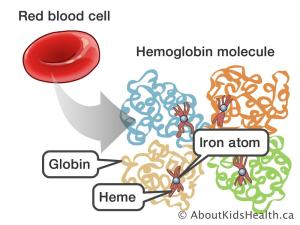
- It is a crucial component of hemoglobin (and myoglobin), a component of red blood cells which carries oxygen through the body. It’s also used in “energy making” processes.
- It is essential to the assembly of numerous enzymes and the stabilization of certain proteins. (via Iron-sulfur clusters). *Enzymes are VITAL for our biochemistry to actually… work.
- As a constituent of cytochrome P-450 superfamily of enzymes, it works hard to maintain “body balance” by breaking down xenobiotics (think pollution, plastics and perfumes), fatty acids and various compounds. CYP450 is very much involved in several hormones’ production and clearance. Production of TSH and thyroid hormone T4’s conversion into T3 are 2 examples. It plays a role in adrenal function regulation (think stress and alertness), insulin metabolism (think steady energy), sex hormone regulation (conversion of androgens to oestrogens), DNA damage recognition and repair 1, 2, 3, 4 …
- Iron levels may also play a role in regulating “leptin” hormone. Anemic individuals frequently suffer from low iron induced appetite loss. In these people, iron supplementation, or sufficient dietary intake of the nutrient, has an inhibiting effect on the satiety hormone leptin. This leptin inhibiting phenomenon increases appetite so the individual has a desire to tap into (and benefit from!) the perceived abundant available iron source” 5 .
Iron comes in 2 forms ::
- Fe2+, Ferrous // HEME iron :: mostly animal based
- Fe3+, Ferric // NON-HEME iron :: plant based
Absorption mechanisms of these 2 forms of iron are discussed here ::
In a nutshell :: animal/ muscle based iron is less abundant yet more easily absorbed than its plant based counterpart which is omnipresent but not as fully absorbed.
Iron intake and supplementation should be tackled with a prudent approach as iron is both essential to the body’s wellbeing and deleterious when consumed in excess.
Oversaturation of iron triggers the production of free radicals that cause premature and accelerated cell aging. A great image to keep in mind is “iron that rusts”. While not 100% accurate, I find this analogy to be a great reminder of what can happen to our cells when iron regulation goes awry and the mineral starts to “build up & act up”.
Main sources
Sources of Animal based iron ::
- Beef (sirloin) :: 100 g – 2.9mg *See also liver
- Oysters (raw) :: 100 – 5.1mg *See also cuttlefish, octopus and mussels
- Tuna (canned) :: 100g – 1.5mg *See also sardines
- Chicken (breast, skinless) :: 100g – 1.1mg
- Pork (ground, cooked) :: 100g – 1.3mg
Sources of plant based iron ::
- Dried apricots :: 100g – 2.7mg *See also prunes, figs and raisins
- Lentils :: 100g – 3.3mg *See ALL beans and tofu/ tempeh
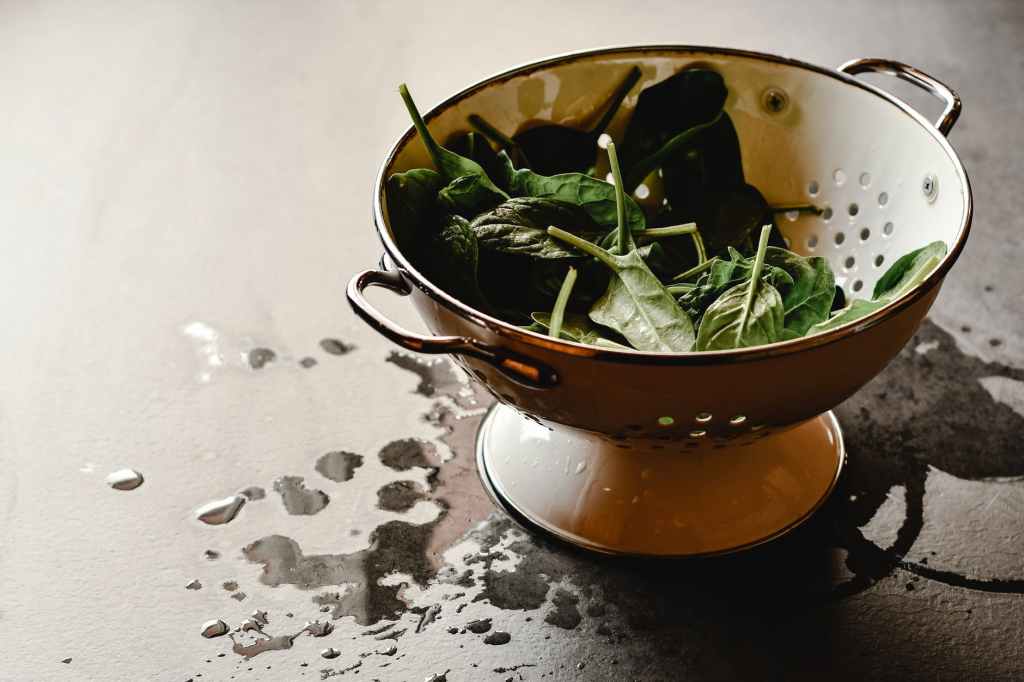
- Spinach (raw) :: 100g – 2.7mg *See also swiss chard and broccoli
- Spinach (cooked) :: 100g – 3.6mg
- Unsweetened baking chocolate :: 100g – 17.4mg *See also cacao powder
- Oat flakes (dry, whole grain) :: 100g – 4mg *See also quinoa and barley
- Oyster mushrooms (raw) :: 100g – 1.3mg
- Pumpkin seeds :: 100g – 8.1mg *See also sesame seeds
**Some products like cereals, noodles, breads and bagels, while not usually significant sources of iron, are now enriched with supplemental iron.
A healthy body is absolutely capable of regulating the uptake of iron as it needs it; dietary overdose is extremely rare in most.
Overdosing is possible with supplementation which is why nutrition correction and optimization should always be your “go-to”.
Excess iron intake has been linked to increased oxidative stress.
Evaluating iron needs
- Vegetarian consumption of “beans & greens” in the daily diet 6 :: not a fan of either? These 2 rich whole food sources of iron don’t find their way into your plate daily? It would be wise to have your levels checked.
- Individuals who eat a nutrient poor diet consisting of “pseudo/ non-food foods” might not be meeting their needs.
- Pregnancy ups a woman’s iron needs by 9mg :: Are you aware of your daily intakes? Could you come up with a dietary combo representing those 9 extra mg? If not, naturopathic guidance could definitely be useful.
- Menstruation :: there is an assessment to be made here. Light? Short? Long? Heavy? Any combination of these 4 factors will impact your needs in different proportions.
- High level athletes’ iron losses are always considered a little higher (hemolysis, excessive sweating) *Fitness enthusiasts do NOT worry, the greatest majority of us are NOT considered high level athletes. Chill. 😉
- Chronic bleeding induced by various pathologies :: stomach ulcers, intestinal polyps, colon cancer, celiac disease… Endometriosis could also cause bleeding one might not be aware of. Any type of recurrent bleeding makes the needs go up.
- Frequent aspirin ingestion; notoriously hard on the stomach mucosa, it could trigger bleeding you might not be aware of.
- Gastric bypass surgery :: the digestive process is no longer complete nor optimal. Having your levels and needs assessed frequently by a medical doctor is mandatory. A naturopath can most definitely help you optimise your new physiology.
- Infectious and inflammatory conditions (including obesity) also play important roles in determining needs, which might be a tad higher than most 7
Optimising absorption
Black pepper is one of those substances that are wiiidely known as “potentiators of absorption“. Some studies correlate Bioperine*/ piperine with better iron absorption 8.
*Bioperine is a trade name of a specific brand of black pepper extract.
Algae consumption might also be a wise move if better iron absorption is on your mind :: “the bioavailability of this iron (algal) seemed to be high, and increased apparent iron absorption up to 5-fold of the absorption value of the rice meal alone. This was probably due to the high vitamin C concentration and also to the low or nonexistent phytate content. 9”
Although there are PLENTY of whole food sources available to us now, we sadly don’t often consume algae in North America. Chopped sea bacon (dulse) is a great umami/ savoury salad topper, a little handful of rehydrated wakame in a noodle dish, classic nori sheet wrapped around room temp brown rice and avocado; there are countless ways sea veggies can “sneak” their way into our daily diet.
Should supplementation be suggested after a professional assessment, ingestion of the chosen supplement should be done every other day to maximise absorption.
Here’s why ::
As iron rolls in, its absorption triggers the release of the hormone that’s responsible for regulating its intake (hepcidin). In short :: when iron is abundant, hepcidin RISES and sloooows its absorption (It prevents overload).
A study from 2020 (19 women) suggests that skipping a day in between supplement doses gives time for hepcidin to “back down” and stop hindering the absorption process. Read :: it benefits iron’s uptake! This simple trick can make your hard earned dollars go further and your intended “iron level UP efforts” more efficient 10, 11, 12.
Vitamin C is also a classic cofactor of iron metabolism, it aids in plant based iron absorption 13.
Important players in the Iron game
B6 – Pyridoxine :: This water soluble vitamin is needed for red blood cell formation (erythropoiesis). It plays a pivotal role in the incorporation of iron in the heme of HEMoglobin (protoporphyrine). Sub-optimal intake of this vitamin is linked to a higher incidence of anemia and many other health problems 15, 16.
B9 – Folate :: also works with iron (and B6 and 12!) in the red blood cell formation process. One without the other(s) is the equivalent of trying to travel without a passport and a suitcase. High alcohol consumption, celiac disease and IBS could all increase your personal requirements of this particular nutrient 17, 18, 19.
B12 – Cobalamine :: This vitamin plays an important role in cell proliferation. As red blood cells have a lifespan of approximately 120 days, their replacement is constant. They do not only require B6 and B9 to form properly but also B12 to ensure proper growth. A B12 deficient red blood cell is an inefficient one that simply cannot make it and dies. While cobalamine might not impact iron absorption directly, it does so indirectly by keeping iron rich hemoglobin INSIDE healthy blood cells thus preventing an endless need for iron recycling and replenishing the body tirelessly tries to accommodate A.
Copper :: This mineral is needed for iron “transport & dispatch”. Just like iron, a “Goldilocks” approach is best when optimising copper levels :: not too little, not too much as both ends of the spectrum can have deleterious effects on wellbeing 20, 21. Supplementation without the advice of a health care professional is not suggested. Dietary sources of copper are :: liver, dark chocolate, oysters, leafy greens, spirulina, nuts & seeds and shiitake mushrooms. If you wish to understand how copper participates in iron metabolism, read the article on the topic showcased further up.
Precautions
The most common concerns with steady iron supplementation is gastrointestinal disturbances.
Again :: one MORE good reason to prioritize dietary sources over supplementation, if you can. Gastric discomfort, nausea, vomiting, constipation and diarrhea are the usual culprits.
Alternate day supplementation, as suggested above for better absorption, might reduce the risk of uncomfortable manifestations and actually enhance your adherence to a supplementation protocol.
Exaggerated intakes
Breast cancer and iron :: a diet that is LOW in antioxidant and overabundant in both fats and iron may play a role in increased breast cancer incidence (via lipid peroxidation) 22.
Myocardial infarction and iron :: Overconsumption of HEME iron, the animal based kind, coupled with a diet that is low in minerals responsible for slowing iron absorption can lead to cardiovascular issues 23.
Type 2 diabetes and iron :: again, overconsumption of HEME iron, the animal based kind, can lead to an increased risk of developing type 2 diabetes 24 .
Colorectal cancer and iron :: one more time, altogether :: OVER consumption and/or a poorly elaborated iron supplementation protocol can lead to an increased risk of developing colorectal cancer 25.
Sub-optimal intakes and associated risks
You’ll have to read the piece on anemia that is coming shortly, it’ll explain all the discomforts low iron can trigger.
In the meantime, get acquainted with these classic symptoms of low iron and see where you land.
- Intense fatigue // Tired even after resting
- Shortness of breath
- Sore tongue
- Irregular heartbeats
- Weakness
- Chest pain
- Dizziness // Light headedness
- Cold extremities (hands and feet)
- Brittle nails
- Pale skin
- Headaches
Factors that should have you pay attention to your iron levels
If you are taking Proton Pump Inhibitors, such as omeprazole, for gastroesophageal distress and/or to prevent stomach ulcers caused by regular intake of aspirin or other NSAIDs/non-steroidal anti-inflammatory drugs; you might be at higher risk of inadequate iron intake 26.
Important and steady ingestion of quercetin supplements are suspected to up levels of hepcidin (which DECREASES iron uptake) while also diminishing the number of available plant iron transporters in the intestine resulting in less iron uptake (DMT1). Quercetin supplementation is, among other things, often suggested for allergy support.
*On the other side of the spectrum, should you be in a situation of iron overload, quercetin might be something you want to discuss with your health care professional, as a method of minimizing further iron absorption 27.
Do you crave non-food/ non-nutritive things like, dirt, ice, rubber or clay? We call this condition Pica, and it could be an indicator of inadequate iron stores 29.
Do you suffer from sudden/ unexplained hair loss? While it is still not clear exactly through what mechanism low iron impacts hair growth and retention; it is widely accepted as one-more-sign that can be correlated to other low iron contributing factors 30, 31 .
Restless leg syndrome a bit like hair loss, while poorly explained, presents a very strong correlation to inadequate iron levels 32, 33 .
Behavioral and/or learning deficits, especially in childhood and adolescence. Some would describe it as “resembling ADHD”. This one is quite vague and MUST definitely be assessed by a professional; one’s perceived deficits being a solid indicator that a discussion should be had. A million things can influence behavior and cognition, iron just so happens to be one of them 34.
Always remember :: No isolated “sign or symptom” represents inadequate levels in itself; all factors should be put together and assessed with a multifactorial mindset .
Blood tests
*Blood tests are prescribed and interpreted by medical doctors. Iron values can be included in blood tests, all you have to do is ask.
Reference values :: they differ for men and women and are quite numerous when evaluating the full picture; here is a link to medically approved values for those of you that are curious.
As with most things related to health, one blood value is not enough to evaluate needs and/ or actual state of vitality; other aspects must be investigated to round out the results.

A few precisions on inhibiting combos
Avoid these foods 2hrs before and after a therapeutic dose/ intentionally iron rich meal 35, 36 ::
- Polyphenol/ tannin rich foods such as tea, coffee, wine and dark chocolate which have a “tightening effect” on the mucosa and can make absorption of some nutrients, not just iron, a little more difficult. *Tannin rich foods’ effects are dose dependent; the more you consume, the more they inhibit iron absorption. Minimal intakes can be mitigated by the regular addition of vitamin C to the diet 37.
- Phytate containing foods such as raw grains, beans and nuts & seeds. It’s important to keep in mind that phytates are a “dose dependent inhibitor” too and that cooking, fermenting, sprouting and soaking all contribute to lowering the phytate content of these foods making them a negligeable sources of phytate in their actual prepared edible forms. (*Common misunderstanding :: Oxalic acids / Oxalates are NOT related to phytates. They are a different beast :: they do NOT hinder iron absorption)
- Calcium rich foods have been thought to hinder iron absorption in the past but now, the correlation isn’t so strong. If you ARE supplementing, it could be beneficial to avoid taking both minerals at the same time, but as whole food items; I wouldn’t sweat it as the inhibitory effect is usually short lived and actually compensated by an increase in iron transporters/ “absorbers” a few hours later.
- Egg proteins have an inhibitory effect on iron absorption AND the iron they contain is of poor bioavailability once cooked (Hard boiled eggs :: when that yolk turns a little green/gray?! Iron sulfide :: no longer absorbable.).
- Antacids 38
- Antibiotics and other medications :: Iron supplements can go both ways :: they may decrease the absorption of certain medication, making them LESS effective. And certain drugs can also boost iron absorption and storage to concerning levels. The “2hrs before, 2hrs after rule” is quite important here (unless specified otherwise by your medical doctor). A few interactions are listed in this article.
- Controversial Turmeric :: while some studies show it may stimulate iron uptake through a decrease in hepcidin expression OTHERS give it “chelating” properties which have the power to bind to iron and actually prevent its absorption. Individual assessment is of course needed and wise in this particular case.
ALSO :: If you are on a supplement regimen, avoid consuming fortified foods to limit possible “over ingesting” the mineral.
There you have it, a little cheat sheet on iron!
A few studies have been linked throughout this article; get acquainted with the data if you wish to know more about this topic. This post is merely a quick and simplified intro into the subject.
Research papers are always a great way to approach a discussion with your health care provider, feel free to share them with yours if you think it would be useful in the evaluation of your specific needs and the enhancement of your vitality.
Stay curious and humble,
Be well,
Vicky x
Vicky Bachand ND.A is a naturopath :: a naturopath does NOT replace a medical doctor.
Ideas provided in this article are presented as information only and do not aim to provide in depth details about the chosen topic nor replace the advice of a qualified health care provider.
Information shared here does not constitute a consultation, a diagnosis nor a medical opinion and therefore should not be interpreted as such.
Always consult with your chosen health care provider if you have questions about your personal health.



 vbnaturopathe.com